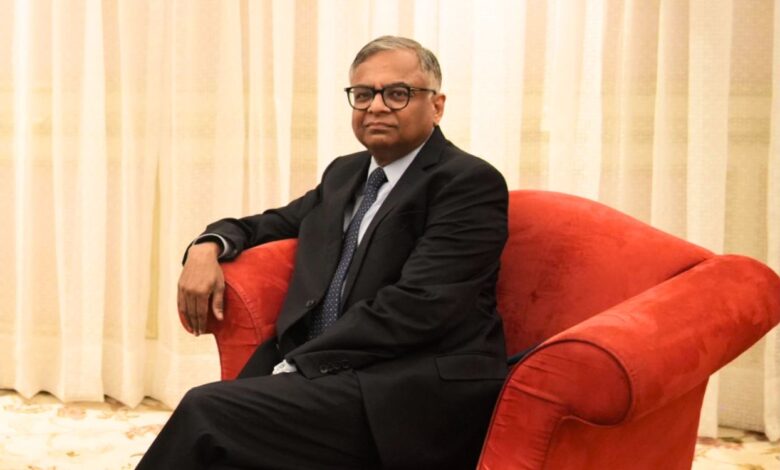
MUMBAI — Corporate India’s most influential conglomerate has plunged into an extraordinary governance crisis. In a high-stakes meeting, the board of Tata Sons passed a contentious 4–1 majority resolution reappointing Executive Chairman N. Chandrasekaran for an additional five-year tenure. The decision effectively extends his leadership past February 2027 and reverses his earlier August announcement indicating he would step aside upon concluding his tenure.
However, the move has ignited fierce resistance from the group’s foundational pillar: Tata Trusts. Noel Tata, who chairs the philanthropic entity controlling an estimated 66% equity stake in Tata Sons, cast the sole dissenting vote. Labeling the reappointment a “legal nullity” and fundamentally “illegal,” the Trusts argued that the board’s decision contravenes established governance mandates and statutory provisions embedded within the company’s Articles of Association.
Noel Tata vs. Chandrasekaran: Anatomy of the 4–1 Vote
The boardroom confrontation marks the deepest ideological split at Bombay House since the historic executive shake-ups of the previous decade. According to reports from the September 17 board meeting, four directors aligned in favor of retaining Chandrasekaran, noting that his leadership had provided sustained financial resilience, expansive tech diversification, and international consolidation.
In response, Tata Sons issued an official confirmation stating that Chandrasekaran acceded to the board’s urgent request to continue leading the $165+ billion enterprise. Yet, Noel Tata stood firm against the measure, pointing out that Chandrasekaran had previously agreed to depart when his term ended in February 2027. By reconsidering and pushing forward with an immediate reappointment, the board bypassed procedural expectations, prompting Tata Trusts to weigh potential legal remedies against the resolution.
The Core Catalyst: Succession Planning vs. RBI’s IPO Mandate
Behind the leadership clash lies a deeper regulatory deadlock: the future ownership architecture of Tata Sons under central bank rules. The Reserve Bank of India (RBI) categorized Tata Sons as an Upper-Layer Non-Banking Financial Company (NBFC-UL), triggering a mandatory requirement for the holding company to list its equity shares on public stock exchanges.
| Key Issue | Tata Sons Board Position | Tata Trusts Position |
| Executive Leadership | Backed Chandrasekaran’s extension for institutional stability. | Voted against; declared the resolution invalid and illegal. |
| RBI Listing Mandate | Moving ahead to comply with RBI Upper-Layer NBFC frameworks. | Opposes public listing; asserts it dilutes philanthropic foundations. |
| Holding Structure | Sought CIC deregistration; now forced to manage regulatory compliance. | Insists on preserving private unlisted holding company status. |
Tata Sons had previously applied to the central bank to voluntarily surrender its Core Investment Company (CIC) status to evade the forced initial public offering (IPO). However, the RBI’s refusal to grant an exemption forced the board to prepare for compliance. Tata Trusts argues that public listing alters the sacred ethos of the institution, subjecting its social-welfare dividend mechanism to quarterly market pressures and external speculative scrutiny.
Institutional Governance Under Severe Strain
The standoff raises immediate questions surrounding executive powers within India’s premier industrial house. Because Tata Trusts exercises decisive voting muscle through its 66% holding, moving ahead with board resolutions that directly oppose the Trusts’ stated position sets up an unprecedented legal and operational impasse.
Legal analysts suggest that if the dispute remains unresolved, the challenge could advance to statutory tribunals to determine whether the Articles of Association require concurrent affirmative approval from the Trusts before extending executive chairmanships. For global institutional investors tracking listed Tata entities—including TCS, Tata Motors, and Tata Steel—the friction introduces unexpected leadership uncertainty at the very top of the pyramid.